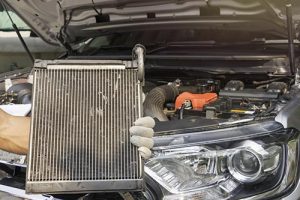
Your car’s radiator plays a critical role in keeping the engine cool, preventing overheating, and ensuring your vehicle runs smoothly every day. When something goes wrong with the cooling system, it can quickly lead to engine damage — which is why early diagnosis and repair are so important.
At Grove Auto Repairs, we specialise in radiator repairs, radiator replacements, cooling system diagnostics and maintenance for all makes and models across Adelaide.
Whether you’ve noticed a coolant leak, rising temperature gauge, or your car is overheating, our experienced mechanics can get you back on the road safely.
If your coolant levels are dropping, your car is running hot, or you’ve noticed leaks, don’t wait — cooling system problems can escalate quickly.
Call (08) 8289 1053
or
Email admin@groveautorepairs.com.au
To book your radiator repair or replacement at Grove Auto Repairs
How Your Radiator Works
A car radiator is a type of heat exchanger designed to pull heat away from your engine. Here’s how it functions:
- The engine circulates coolant through internal passages, absorbing heat.
- This hot coolant flows into the radiator, where thin aluminium fins and tubes help dissipate heat.
- Airflow from the radiator fan removes the heat and cools the fluid.
- The cooled coolant returns to the engine, keeping temperatures stable and preventing overheating.

Most modern cars use lightweight, efficient aluminium radiators, but all radiator types require regular checks to prevent leaks, corrosion and blockages.
How Do You Know if Your Radiator Needs a Repair or Replacement?
Your radiator is essential for keeping your engine cool and preventing overheating. If something isn’t right within the cooling system, your vehicle will usually give you warning signs. Here are the most common indicators — along with what each one actually means:
• Coolant Leaks
If you notice coloured fluid (usually green, pink, red or orange) under your car, it’s a strong sign that your radiator, hoses, clamps or seams are leaking. Even small leaks can cause rapid coolant loss and lead to overheating, so this needs urgent attention
• Blockages or Restricted Flow
Over time, debris, rust flakes, or old coolant can clog the radiator’s internal tubes. When this happens, coolant can’t circulate properly, leading to higher operating temperatures and potential engine damage.
Cooling Inefficiency
If your temperature gauge is creeping higher than normal or your car feels hotter after short trips, it may indicate reduced cooling performance. This can be caused by worn fins, internal corrosion, blocked passages, or failing fans.
Faulty Thermostat or Sensors
Your cooling system relies on thermostats and temperature sensors to regulate coolant flow. If they fail, the radiator may not receive coolant at the correct times, causing sudden overheating or inconsistent temperature readings.
Pump or Hose Failure
The water pump circulates coolant through the engine and radiator. A failing pump or damaged hoses can stop coolant flow completely, which can cause rapid overheating. Common signs include whining noises, leaks around the pump, or collapsed hoses.
Radiator Corrosion or Physical Damage
Corrosion is common in older radiators and can weaken the internal tubes or outer tanks. Physical damage — such as bent fins, cracked plastic tanks, or impact damage — can reduce heat transfer or cause leaks.
To read more of our Radiator Repairs & Replacement Service Adelaide reviews please visit Facebook or Google.
Should you need a car service or want to know more about us please click the links.